
د.إ600.00 Original price was: د.إ600.00.د.إ300.00Current price is: د.إ300.00.
ILM SURPLUS FZE Disclaimer:The product is used surplus. ILM SURPLUS FZE is not an authorized surplus dealer or affiliate for the Manufacturer of this product. The product may have older date codes or be an older series than that available direct from the factory or authorized dealers. Because ILM SURPLUS FZE is not an authorized distributor of this product, the Original Manufacturer’s warranty does not apply. While many Mitsubishi A1SX41S2 products will have firmware already installed, ILM SURPLUS FZE makes no representation as to whether a A1SX41S2 product will or will not have firmware and, if it does have firmware, whether the firmware is the revision level that you need for your application. ILM SURPLUS FZE also makes no representations as to your ability or right to download or otherwise obtain firmware for the product from ILM SURPLUS FZE, its distributors, or any other source. ILM SURPLUS FZE also makes no representations as to your right to install any such firmware on the product. IL MSURPLUS FZE will not obtain or supply firmware on your behalf. It is your obligation to comply with the terms of any End-User License Agreement or similar document related to obtaining or installing firmware.
Performance: Stable input signal processing
Points: 32 input points for versatile control.
Current: 3–7 mA for precise input detection.
Voltage: 12/24 VDC, reliable PLC compatibility.
Compatibility: Works with MELSEC PLC systems.
Durability: Long-lasting and reliable legacy component.
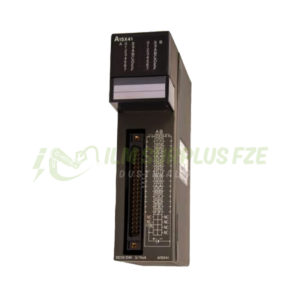
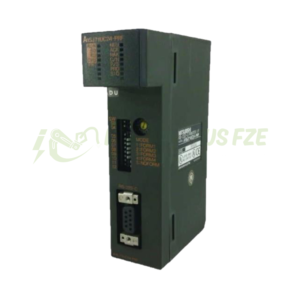
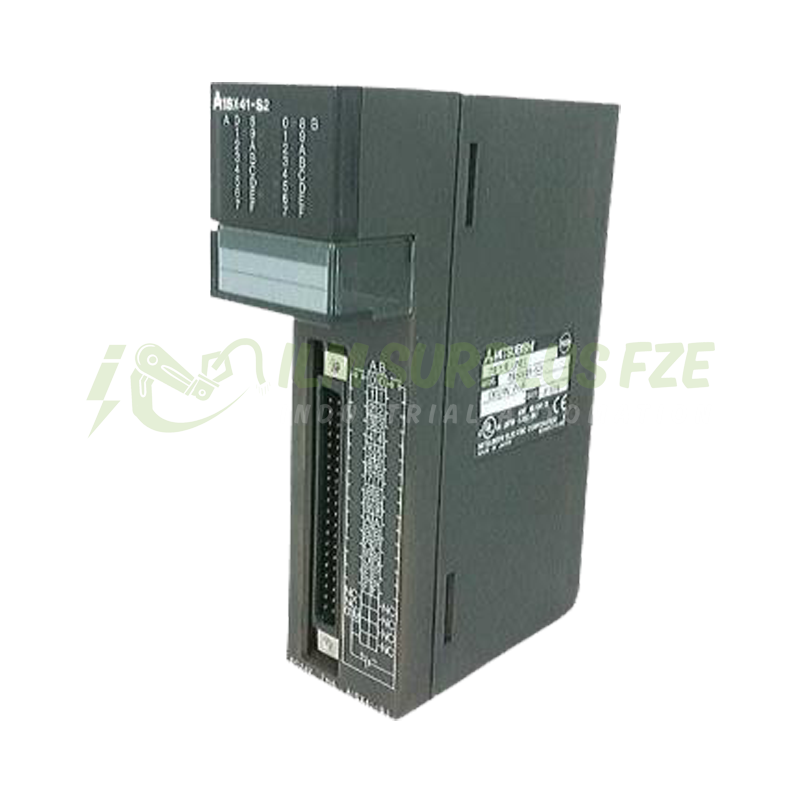
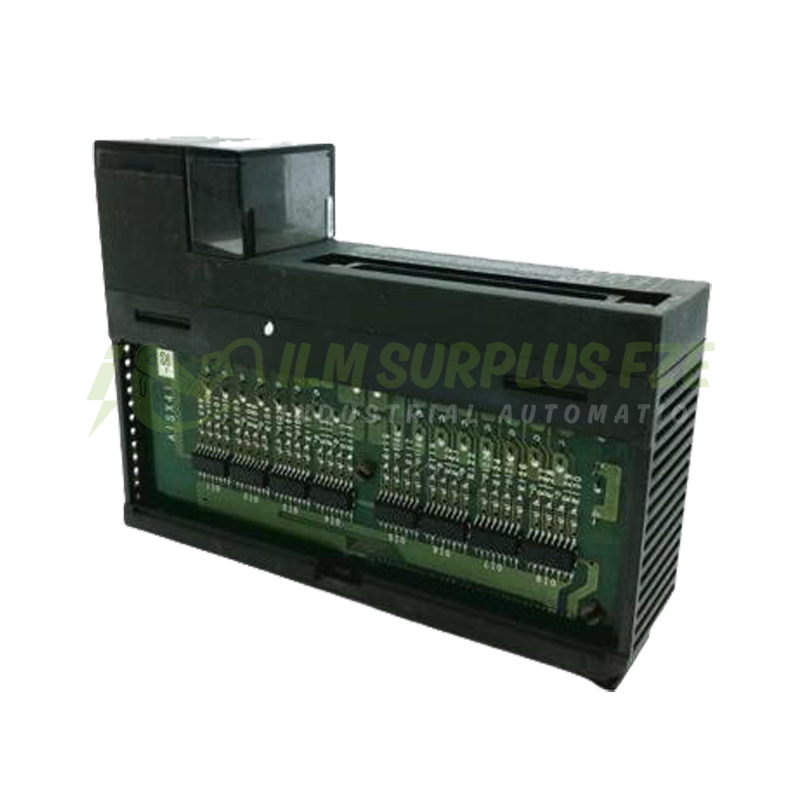
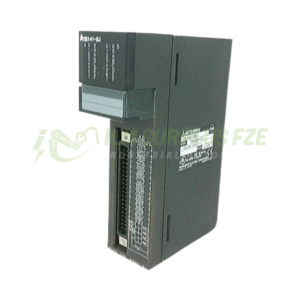
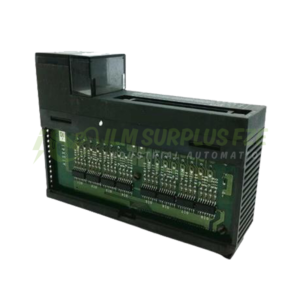
The A1SX41S2 Input Module is a high-quality digital input solution designed for Mitsubishi MELSEC PLC systems. This module features 32 input points, supporting 3–7 mA input current and operating at 12/24 VDC, making it suitable for precise signal detection in demanding industrial environments.
Although discontinued by the manufacturer, the A1SX41S2 remains a crucial component for maintaining legacy automation systems. Its robust design ensures reliable input processing, minimizing downtime and maintaining efficient operation across machinery, assembly lines, and process control systems.